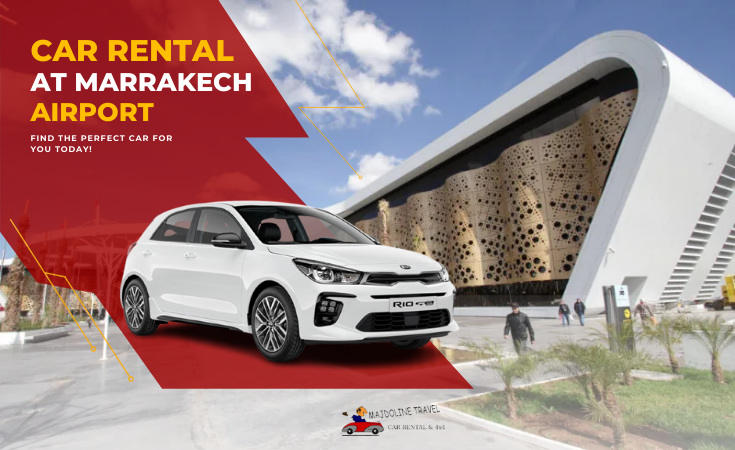
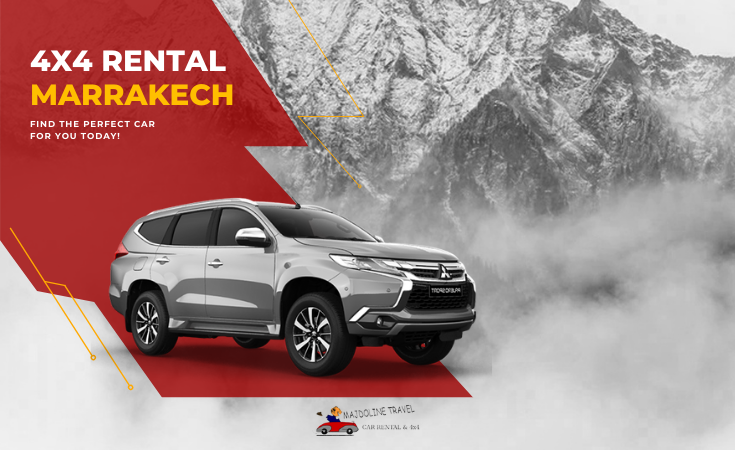
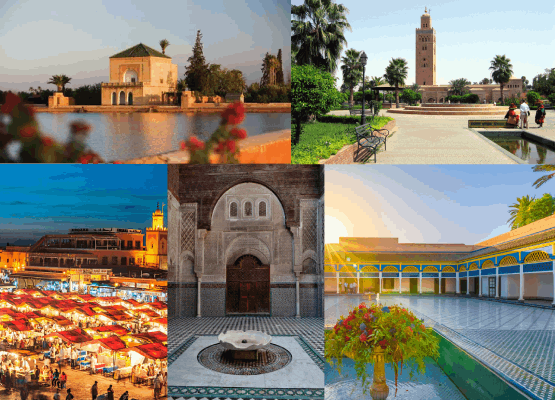
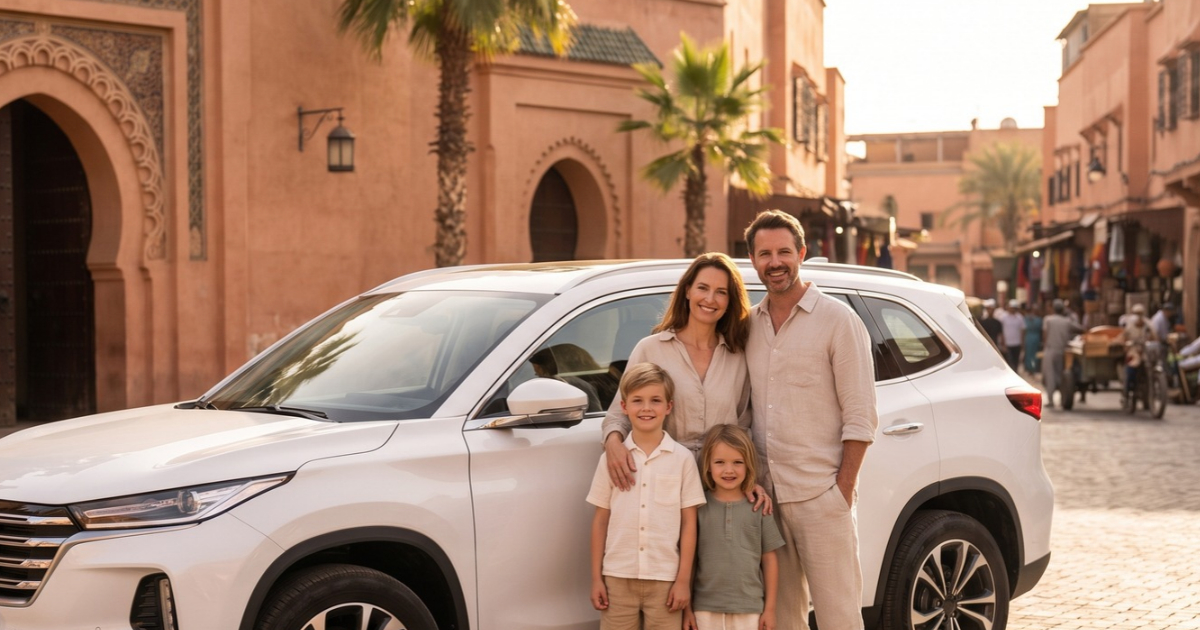
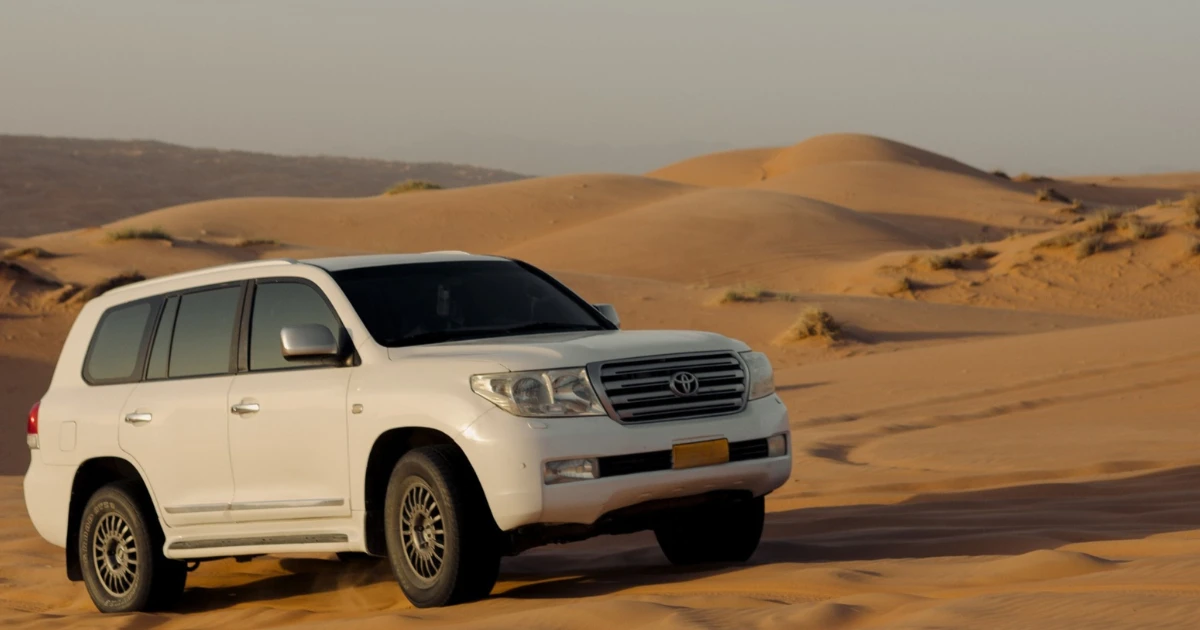
Planning a trip to Marrakech and looking for a comfortable way to explore the city and its surroundings? Choosing an automatic car rental in Marrakech can make your journey more convenient, especially if you prefer a simpler driving experience while discovering Morocco.From exploring the lively streets of the Medina to visiting the beautiful landscapes outside the city, renting a car gives you greater flexibility to organise your itinerary at your own pace. However, choosing the right vehicle depends on several factors, including your travel plans, the number of passengers, your luggage, and your budget.In this guide, Majdoline Travel explains how to choose the right automatic rental car for your stay, what to consider before booking, and how to prepare for driving in Marrakech.Why Choose an Automatic Car in Marrakech?Choosing an automatic vehicle can make driving more comfortable, particularly for travellers who are unfamiliar with local traffic conditions or simply prefer not to change gears manually.A More Comfortable Driving Experience in the CityMarrakech can experience busy traffic, particularly around popular tourist areas and during peak hours. An automatic transmission allows you to focus on the road without constantly changing gears, which can make driving more convenient in stop-and-go traffic.If you plan to travel between your accommodation, restaurants, shopping areas, and tourist attractions, an automatic car can be a practical option.A Practical Option for International VisitorsMany international visitors are accustomed to driving automatic vehicles in their home countries. Choosing an automatic rental car in Marrakech can therefore help them feel more comfortable behind the wheel.It is still important to become familiar with the vehicle's controls, understand local road signs, and follow Moroccan traffic regulations before starting your journey.Greater Comfort for Day Trips and ExcursionsIf your itinerary includes destinations outside Marrakech, such as the Agafay Desert or the foothills of the Atlas Mountains, an automatic car can offer a comfortable driving experience.The most suitable vehicle will depend on your destination, the road conditions, the number of passengers, and the amount of luggage you plan to carry. Always check whether your chosen vehicle is appropriate for your intended route.Which Automatic Car Should You Choose for Your Stay?The best car depends on the type of trip you are planning. Before booking, consider how many people will travel with you, how much luggage you have, and whether you intend to stay in Marrakech or explore other destinations.An Automatic City Car for Exploring MarrakechIf you are travelling alone, as a couple, or with a small amount of luggage, a compact automatic car can be a convenient choice.Its smaller size can make parking and navigating busy urban areas easier. It is particularly suitable for travellers who mainly plan to visit Marrakech and its nearby attractions.When comparing available vehicles, check the luggage capacity, fuel consumption, and included rental services.An Automatic Sedan for Extra ComfortAn automatic sedan may be suitable for couples, business travellers, or small families who prioritise passenger comfort.Depending on the model, it can offer more interior space and a comfortable driving experience for longer journeys. If you plan to spend several hours on the road, compare seating comfort, luggage capacity, and fuel efficiency before making your decision.An Automatic SUV for More Space and FlexibilityAn automatic SUV can be a good option for families, groups, or travellers who need additional passenger and luggage space.SUVs may also provide a higher driving position, which some drivers prefer. However, not every SUV is suitable for every road, and a larger vehicle may be less convenient for parking in crowded areas.Choose your vehicle according to your actual itinerary rather than assuming that a larger car is always the best choice.Automatic vs. Manual Cars: Which Is Better for Driving in Morocco?Both automatic and manual vehicles can be suitable for a trip to Morocco. The right choice depends on your driving habits, preferences, and budget.FeatureAutomatic carManual carDriving comfortConvenient for drivers who prefer not to change gears manuallyRequires manual gear changesCity trafficCan be easier in stop-and-go trafficRequires more gear changes in heavy trafficFamiliarityIdeal for drivers accustomed to automatic vehiclesSuitable for drivers comfortable with manual transmissionVehicle choiceDepends on the rental fleet and availability.Availability varies by rental company.Rental costMay cost more depending on the vehicle and rental terms.May offer more budget-friendly optionsIf you are used to driving an automatic car, choosing the same transmission type can help you feel more comfortable during your holiday.Before confirming your reservation, make sure the vehicle is specifically listed as automatic. Do not assume that every vehicle in a particular category has the same transmission.How Much Does Automatic Car Rental in Marrakech Cost?The price of an automatic car rental in Marrakech depends on several factors. Comparing these elements will help you select a vehicle that meets your needs without exceeding your travel budget.The Type and Category of VehicleCompact cars, sedans, and SUVs may have different rental rates. Larger or more premium vehicles can cost more, depending on the model and the services included.When comparing offers, look beyond the daily price. Check what is included in the rental and whether additional charges may apply.Rental Duration and Travel SeasonThe length of your rental and your travel dates can influence the total cost. Prices and availability may vary during busy tourist periods, holidays, and high-demand dates.Booking in advance can give you more time to compare available vehicles and confirm the conditions that suit your trip.For an accurate quote, provide your collection date, return date, and preferred vehicle category.Additional Services and Insurance OptionsYour final rental cost may also depend on additional services, such as airport delivery, vehicle collection arrangements, additional drivers, or insurance options.Before booking, review the deposit requirements, mileage policy, fuel policy, insurance coverage, and any applicable extra charges.Majdoline Travel can help you check the available options and obtain information about the rental conditions before confirming your reservation. How to Book an Automatic Rental Car in MarrakechBooking your car in advance helps you organise your arrival and plan your trip with greater confidence. Follow these steps to find a vehicle that matches your requirements.Step 1 - Choose Your Dates and Travel ItineraryStart by defining your arrival and departure dates, your expected rental duration, and your main destinations.If you are arriving at Marrakech Menara Airport, specify your arrival details and ask whether airport collection or delivery is available for your chosen vehicle.Step 2 - Select the Right Vehicle CategoryChoose between a compact car, sedan, or SUV according to your group size, luggage, comfort preferences, and itinerary.You should also consider whether you will mainly drive in the city or travel to destinations outside Marrakech.Step 3 - Confirm That the Car Has an Automatic TransmissionThis is one of the most important steps when making your reservation.Check the vehicle description and explicitly ask the rental provider to confirm that the selected model has an automatic transmission. This helps avoid confusion between automatic and manual vehicles.You should also confirm the exact vehicle or category being reserved and whether a specific model is guaranteed.Step 4 - Check the Rental Terms and ConditionsBefore confirming, review the following details:Required driving licence and identification documents.Minimum driver age and any driving experience requirements.Deposit and payment conditions.Insurance coverage and excess.Mileage and fuel policies.Collection, return, and cancellation conditions.Ask the rental provider to clarify anything you do not understand before making payment.Step 5 - Confirm Your ReservationOnce you have selected the appropriate vehicle and reviewed the terms, confirm your booking with the rental provider.Keep your reservation confirmation and contact details accessible during your trip. If your flight arrives at the airport, share your arrival information as requested by the provider.Practical Tips for Driving an Automatic Car in MarrakechRenting a car gives you the flexibility to discover Marrakech and the surrounding region, but preparing before driving is important.Here are a few practical recommendations:Learn the vehicle controls: familiarise yourself with the gear selector, parking brake, lights, and other essential controls before departure.Use the correct pedals: In an automatic car, use your right foot for both the accelerator and brake. Avoid pressing both pedals simultaneously.Follow local traffic regulations: Respect speed limits, road signs, traffic signals, and parking restrictions.Plan your parking: Some areas of the Medina have narrow streets or restricted vehicle access. Check parking options near your destination.Use navigation carefully: Set your route before driving and avoid handling your phone while the vehicle is moving.Check your route before excursions: Road conditions vary by destination. Confirm that your planned route is suitable for your rental vehicle.Inspect the vehicle: Before leaving, check the car's condition and document any existing damage according to the rental provider's procedure.With the right preparation, you can enjoy greater flexibility while exploring the city and planning excursions beyond Marrakech.Why Choose Majdoline Travel for Car Rental in Marrakech?When arranging your trip, choosing a rental provider that clearly explains its vehicle options and rental conditions can make the booking process easier.Majdoline Travel offers a starting point for travelers looking to organise their car rental in Marrakech. Before choosing your vehicle, you can review the available options and ask for information relevant to your dates and travel plans.When contacting Majdoline Travel, make sure to specify your requirements:Your preferred rental dates and duration.The number of passengers and amount of luggage.Your preferred vehicle category.Your need for an automatic transmission.Your collection and return arrangements.Any additional services you may require.Always confirm the availability of an automatic vehicle for your specific dates before finalizing your booking. Vehicle models, prices, and rental conditions may vary.Visit the official website to explore your options: Majdoline Travel.FAQ: Automatic Car Rental in MarrakechIs an automatic car better for driving in Marrakech?An automatic car can be more convenient for drivers who prefer not to change gears manually, particularly in busy city traffic. However, the best choice depends on your driving experience, comfort preferences, and budget.What type of automatic car is best for visiting Marrakech?A compact automatic car is often practical for city visits and small groups. A sedan may offer additional comfort, while an SUV can provide more passenger and luggage space. Choose according to your itinerary and the vehicle's availability.How much does it cost to rent an automatic car in Marrakech?Rental prices depend on the vehicle category, rental duration, travel dates, and included services. To obtain an accurate price, request a quote for your specific dates and confirm all applicable fees and conditions.Can I book an automatic car at Marrakech Airport?Airport collection or delivery may be available depending on the rental provider and the selected vehicle. Contact Majdoline Travel before booking to confirm the arrangements, availability, and any additional charges.What documents do I need to rent a car in Morocco?Requirements can vary according to the rental provider, the driver's nationality, and the type of driving licence held. You may need a valid driving licence, identification or passport, and a payment card or deposit. International visitors should confirm whether an International Driving Permit is required for their circumstances.How can I make sure my rental car is automatic?Check the vehicle description and ask the rental provider to confirm the transmission type in writing before completing your reservation. Do not rely solely on the car's category or appearance.Is an automatic car suitable for trips to the Atlas Mountains?An automatic car may be suitable for certain routes around the Atlas Mountains, depending on the destination, road conditions, and vehicle specifications. Check your itinerary with the rental provider and confirm that the chosen vehicle is appropriate for the roads you intend to use.Book Your Automatic Rental Car in Marrakech with Majdoline TraveReady to explore Marrakech at your own pace?Choosing the right rental car can make your stay more flexible, whether you plan to discover the city's main attractions, visit nearby destinations, or organize a longer road trip through Morocco.With an automatic car rental in Marrakech, you can choose a driving experience that suits your preferences and travel plans.Contact Majdoline Travel to check available vehicles, confirm automatic transmission, and request a quote for your dates.Start planning your trip today.Visit majdolinetravel.com to explore your rental options and take the next step toward booking your car in Marrakech.


 Français

 4 Passengers
 Manual
 4 Doors
 petrol
 Air conditioning